
From Pilgrims to Backpackers: A Brief History of Hostels
- gaslamphostelsandi
- Jan 15
- 3 min read

Hostels are a cornerstone of modern travel, synonymous with budget-friendly adventures, shared stories, and impromptu connections. While often viewed as a recent phenomenon catering to the modern "gap year" traveler, the concept of communal, affordable, and temporary lodging has roots that stretch back over a thousand years!
Here is a look at the history of hostels, tracing their evolution from religious rest stops to the dynamic social hubs we know today.
The Early Ages: Religious and Scholarly Lodging (Middle Ages) 🏰
The earliest ancestors of the modern hostel were born out of necessity—to shelter those on long, difficult journeys.
Monastic Hospitals and Hospices: In medieval Europe, monasteries often operated "hospices" (from the Latin hospitium, meaning guest-house). These weren't hospitals in the modern sense but communal lodgings providing food and a bed to travelers, especially pilgrims traveling on routes like the Camino de Santiago.
University Housing: As major universities emerged (like Oxford and Bologna), student housing also became a form of communal, shared accommodation, setting an early precedent for the social dormitory structure.
The Modern Birth: Youth Hostels (Early 20th Century) 🇩🇪
The official concept of the "hostel" as we recognize it today was formalized in Germany in the early 20th century.
Richard Schirrmann (1909): The movement began with German schoolteacher Richard Schirrmann, who aimed to create a network of simple, safe, and inexpensive lodgings to encourage young people to explore nature and foster peace. The first official youth hostel opened in unused Burg Altena (Altena Castle) in 1912.
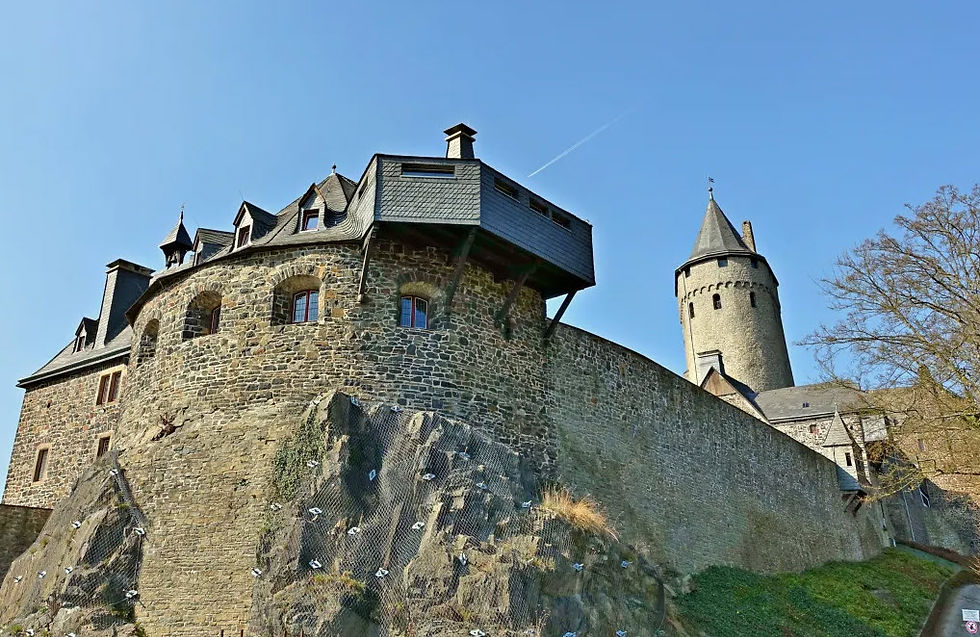
The International Movement: The idea quickly spread, leading to the formation of the International Youth Hostel Federation (IYHF) in the 1930s.
Hostels Arrive in North America (1930s) 🇺🇸🇨🇦
While the movement started in Europe, it was quickly adopted across the Atlantic, often driven by the same spirit of outdoor exploration.
The Canadian Start (1933): The earliest youth hostelling in North America is often traced to Bragg Creek, Alberta, Canada. Inspired by the European movement, the energetic sisters Mary and Catherine Barclay set up a simple canvas tent and later a more permanent structure to offer safe, inexpensive lodging to young hikers in the Canadian Rockies. This initiative led to the founding of the Canadian Youth Hostels Association.

The U.S. Start (1934): American teachers Isabel and Monroe Smith discovered the movement while leading a Boy Scout trip through Europe. Filled with enthusiasm, they brought the concept home, opening the first U.S. youth hostel in Northfield, Massachusetts, in 1934. They immediately set about building a network across rural New England, founding the American Youth Hostels (AYH), which is now Hostelling International USA (HI USA).
Early Mission: Like its European counterpart, the early North American hostelling movement was highly focused on recreation, education, and peace. Hostellers were expected to travel "by their own steam" (bicycle, foot, or ski) and participate in simple chores at the hostels.
The Post-War Era: The Rise of the Backpacker (1960s–1980s) 🎒
The latter half of the 20th century saw the hostel scene grow dramatically, moving beyond rural youth sites into major cities.
Jet Travel and Baby Boomers: The advent of affordable jet travel in the 1960s and 70s made international exploration accessible to a growing number of young people. Hostelling grew rapidly as a result.
Urban Expansion: In the U.S., major urban hostels began to open to accommodate the rising number of global travelers. Significant large hostels opened in cities like San Francisco, Boston, and Washington, D.C., in the 1970s and 1980s, often repurposing large, historic buildings (like the Gilded Age mansion that became HI New York City).
The 21st Century: Boutique, Social Hubs, and Small Business Support 🤝
Today, North American hostels reflect global trends, offering a wide range of experiences from rustic mountain lodges to chic, modern city destinations. They continue to thrive as vibrant social hubs, blending affordability with a strong emphasis on community.
Crucially, while major cities may have a few larger chain operations, the vast majority of hostels across North America are independent small businesses, often owned and operated by solo travelers, families, or small groups of friends who are passionate about travel and hospitality. They are the heart and soul of the backpacking experience.
As a traveler, it’s always wise to check ratings and reviews on trusted third-party sites like Hostelworld to ensure quality and social fit. However, to truly support these small businesses and help them remain affordable and community-focused, travelers are encouraged to book direct through the hostel's own website whenever possible. This simple step helps the owners save on commission fees, allowing them to invest back into the traveler experience.


Comments